Luck or skill which truly dictates your wins in gambling pinco casino
Understanding the Role of Luck in Gambling
Luck is often regarded as one of the primary factors in gambling, especially in games of chance like slots or roulette. These games rely heavily on random number generators and unpredictable outcomes, making it difficult for players to influence results through skill. As a result, many gamblers enter casinos with the belief that their fortune will guide their gameplay. This notion can be both enticing and dangerous, as it may lead to reckless betting based on the false hope that luck alone will determine their success. In fact, if you’re curious about game variety and strategies, the Pinco official website offers valuable insights for any enthusiast.
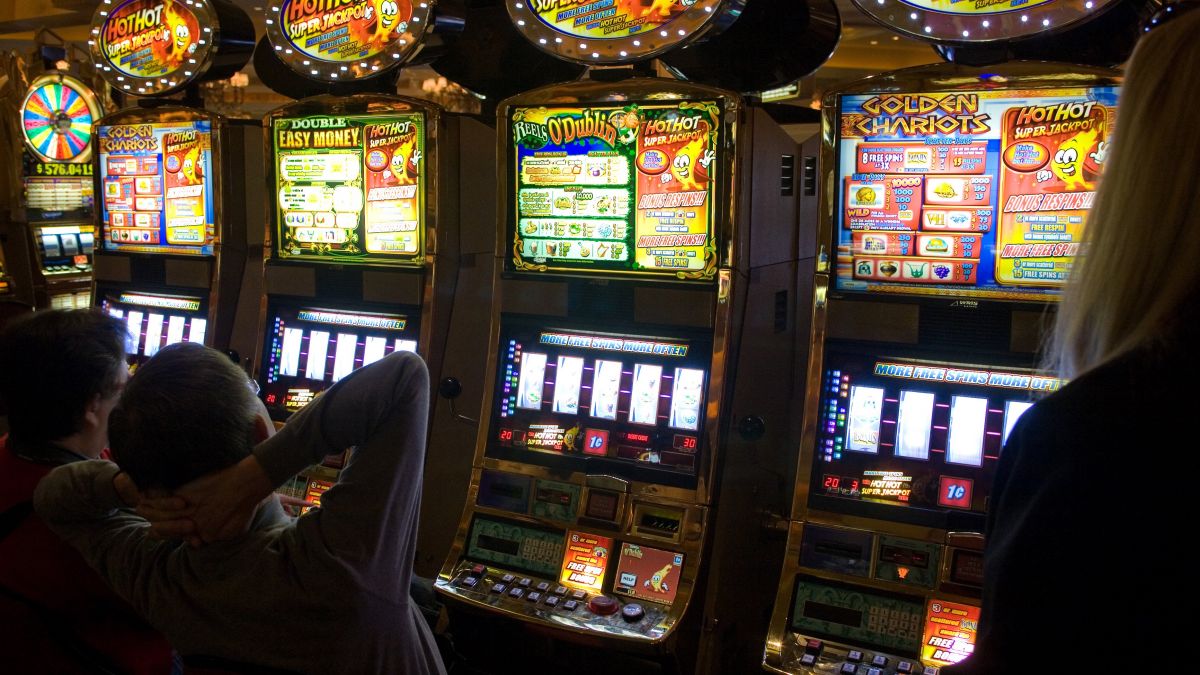
However, the unpredictable nature of luck can also create a sense of excitement and anticipation for players. The thrill of hitting a jackpot or the adrenaline rush from a winning streak can provide an exhilarating experience that keeps players coming back for more. Nevertheless, it’s essential to acknowledge that while luck plays a significant role, it is often fleeting. Players who rely solely on luck may find themselves facing substantial losses when fortunes change.
Moreover, the psychological effects of luck can impact decision-making in gambling. Players may exhibit behaviors such as chasing losses or overestimating their luck, which can lead to a cycle of gambling that is hard to break. Understanding the fickle nature of luck is crucial for anyone looking to engage in gambling, as it emphasizes the need for a balanced approach to both gaming and risk management.
The Influence of Skill in Gambling Games
While luck is a fundamental aspect of gambling, skill plays a vital role in many games, particularly those that require strategy and decision-making, such as poker or blackjack. In these games, players can utilize their knowledge and experience to influence the outcome to a greater extent. For instance, in poker, reading opponents and making strategic bets can significantly improve a player’s chances of winning. Such skills can provide a competitive edge that luck cannot replace.
Furthermore, the application of mathematics and probability can aid players in making informed decisions. For example, understanding the odds of certain outcomes can help gamblers assess risks and rewards more accurately. This skillful approach allows players to maximize their potential winnings while minimizing losses. Players who invest time in learning the intricacies of these games often find themselves with better long-term results compared to those who gamble impulsively. The concept of pinco also applies here, as it emphasizes honing skills to create favorable outcomes.
Ultimately, skill in gambling requires dedication and practice. Players must be willing to study their chosen games, analyze previous performances, and learn from mistakes. While luck may still play a part, those who develop their skills can create a more sustainable gambling strategy. This blend of skill and knowledge can lead to a more satisfying and potentially profitable gaming experience.
Cultural Perspectives on Gambling: Luck vs. Skill
The cultural context surrounding gambling varies significantly around the world, influencing whether luck or skill is prioritized in different societies. In some cultures, gambling is viewed as a form of entertainment, with luck taking precedence over skill. This perspective can create environments where casual players engage without a comprehensive understanding of the games, relying solely on fate to dictate their outcomes. Such cultural attitudes can be seen in various gambling traditions, where the thrill of chance is celebrated.
Conversely, other cultures place a high value on skill, particularly in games like mahjong or card games, where strategic thinking is rewarded. In these contexts, players often engage in rigorous practice and even consider gambling a legitimate sport. This emphasis on skill may lead to more responsible gambling practices, as players are aware of the strategies and techniques that can enhance their success.
The duality of luck and skill in gambling often leads to fascinating discussions about personal agency and responsibility in betting practices. While some argue that relying on luck is a more carefree approach, others advocate for the empowerment that comes with developing skills and strategies. Understanding these cultural nuances can enhance one’s appreciation of gambling as a global phenomenon and foster a more nuanced approach to gameplay.
The Balance of Luck and Skill in Gambling
Finding a balance between luck and skill is crucial for anyone engaging in gambling activities. Recognizing that both elements coexist can lead to a more rounded perspective and a healthier approach to gaming. By understanding the role of luck, players can manage their expectations and set realistic goals. Simultaneously, focusing on skill development can transform gambling from a purely luck-based venture into an opportunity for strategic engagement.
Moreover, this balance is essential for responsible gambling. Players who acknowledge the impact of both luck and skill are better equipped to handle the emotional ups and downs of gaming. It encourages them to approach gambling with a level-headed mindset, reducing the likelihood of chasing losses or engaging in reckless behavior. This balanced approach can not only enhance the enjoyment of gambling but also promote longevity in the activity.
Ultimately, players should strive to cultivate skills that will serve them well in games of chance while also accepting the unpredictable nature of luck. This dual focus can lead to a more fulfilling gambling experience and allow individuals to enjoy the thrill of the game without falling into the traps associated with solely relying on luck.

Conclusion: The Impact of the Gambling Environment
The environment in which gambling takes place also influences the dynamics between luck and skill. Venues like casinos often create an ambiance that encourages players to indulge in both elements. The flashing lights, sounds of winning, and overall excitement can heighten feelings of luck, drawing players into the moment. However, this environment can also distract from the importance of skill, leading to hasty decisions.
In conclusion, whether luck or skill dictates wins in gambling is a multifaceted issue that varies based on individual experiences and the games played. Understanding the interplay between these elements can lead to a more enriching gambling experience, allowing players to navigate their choices more effectively. Engaging in responsible gambling practices, acknowledging the role of luck, and honing skills can all contribute to a more balanced approach.
As players explore their gambling options, it’s essential to remain informed and seek out resources that can assist in developing a well-rounded understanding of the games. Engaging with knowledgeable platforms can provide insights into both luck and skill, helping to foster a gaming environment that prioritizes informed decision-making and personal growth in the gambling landscape.